Creating a well-designed bathroom decor is more than choosing pretty finishes. It is about balancing color, texture, lighting, and storage to produce a space that feels calm, functional, and timeless. As a seasoned professional in interior strategy, I will walk you through a practical, EEAT-conscious approach to elevating any bathroom, from compact powder rooms to spacious retreats. The goal is to help you translate inspiration into a space that suits your routines, reflects your taste, and remains resilient over time.
Understanding bathroom decor
Bathroom decor is the art of shaping a small, highly utilitarian room into a sanctuary that supports daily rituals. It starts with a clear sense of purpose: how you prefer to start and end your day, how much time you spend there, and what ambiance helps you feel refreshed. From there, you establish a cohesive design language—color, materials, and textures that carry through fixtures, cabinetry, and accessories.
Key factors to consider are moisture resistance, maintenance, and lighting. Durable surfaces, sealed grout, and finishes that resist water spots are essential in high-humidity environments. Equally important is layering light to avoid shadows and create a spa-like atmosphere while keeping task lighting crisp for grooming tasks.
Color palettes and mood
Color sets the emotional tone of your bathroom. Neutral bases such as warm whites, soft beiges, and cool grays offer timeless versatility and pair well with a wide range of accent colors. If your space is small, lighter tones can make it feel airier, while an accent wall or bold accessories introduce personality without overwhelming the room.
For a spa-inspired retreat, consider a restrained palette: cool stone tones, soft greens, and subtle blues with natural materials. For a modern look, mix stark whites with deep charcoal and metallics. In family baths, choose durable colors that hide the inevitable markings from daily use, while still allowing for playful accents that can be refreshed seasonally.
Styles to consider
Different decor styles guide your choice of fixtures, finishes, and decor items. Here are four popular directions with quick character notes:
Modern minimalist
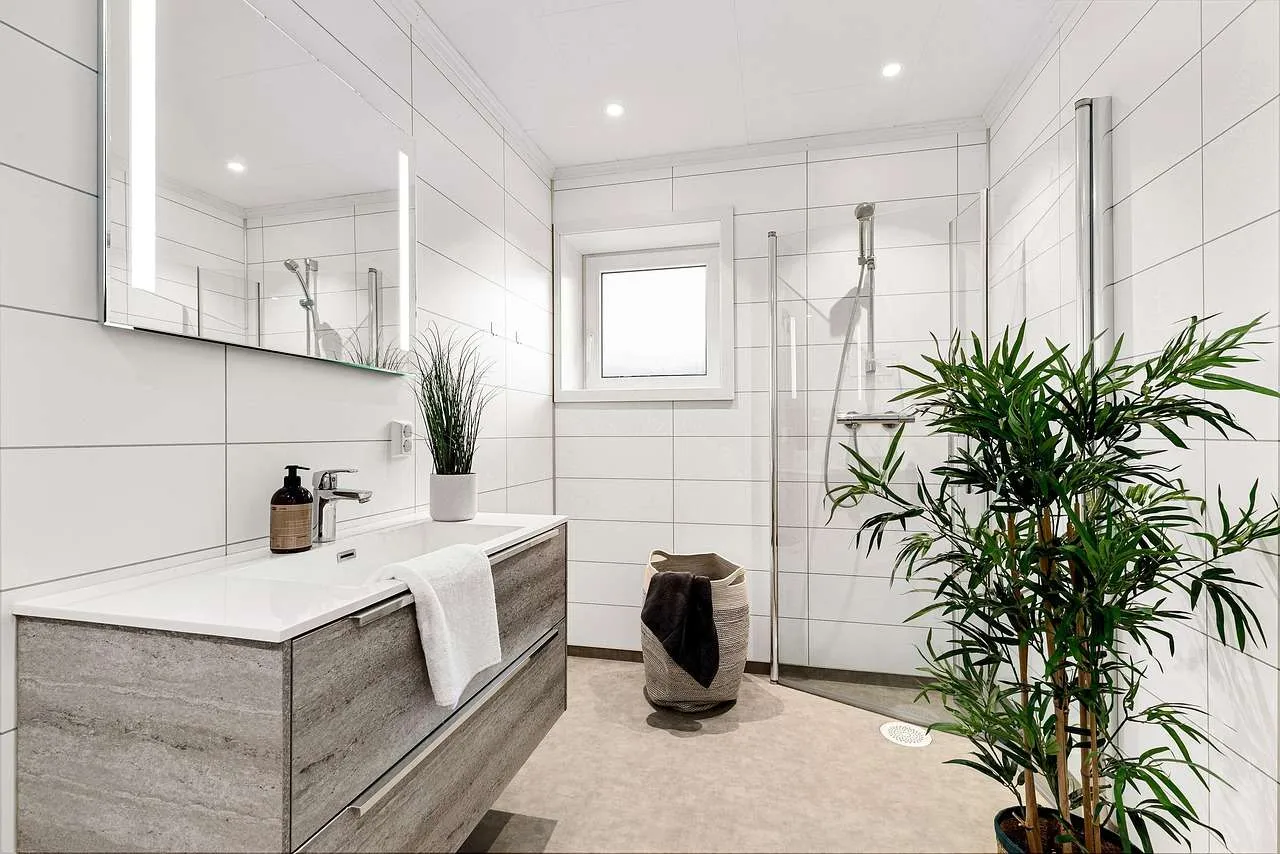
Clean lines, floating vanities, handleless drawers, and simple, matte finishes define this look. Materials like porcelain, glass, and quartz pair with chrome or black hardware. Keep accessories scarce and purposeful to preserve a calm, uncluttered feel.
Rustic and traditional
Warm wood tones, natural stone, subway or distressed tiles, and vintage-style fixtures create cosiness and character. A ship-lap wall or a warm copper faucet can add charm. The vibe embraces imperfection and craft, celebrating a lived-in feel.
Spa-inspired calm
Soft textures, large-format stone or porcelain, rainfall showers, and layered lighting evoke a resort-like retreat. Neutral bases with subtle accents—sage, taupe, or airy blues—promote restfulness and focus on comfort and wellness.
Coastal and airy
Light woods, wicker accents, white or sea-glass greens, and nautical-inspired decor foster a breezy, vacation-like mood. Glass shower enclosures and light tile textures keep the space feeling open and luminous.
Practical design tips
Practical decisions keep your bathroom beautiful and functional. Consider the following guidelines to ensure longevity and enjoyment:
Lighting and mirrors
A layered lighting approach is essential. Include a well-lit task light around mirrors for grooming, plus ambient ceiling lighting and a soft, relaxing glow for evenings. Large mirrors amplify light and space, while recessed lighting minimizes shadows over the vanity.
Materials that endure
Opt for moisture-resistant materials such as porcelain tile, quartz countertops, and solid-surface vanities. Choose high-quality hardware that resists tarnish and corrosion. Sealing grout and choosing stain- and mold-resistant products reduces maintenance while preserving a fresh appearance.
Storage and layout
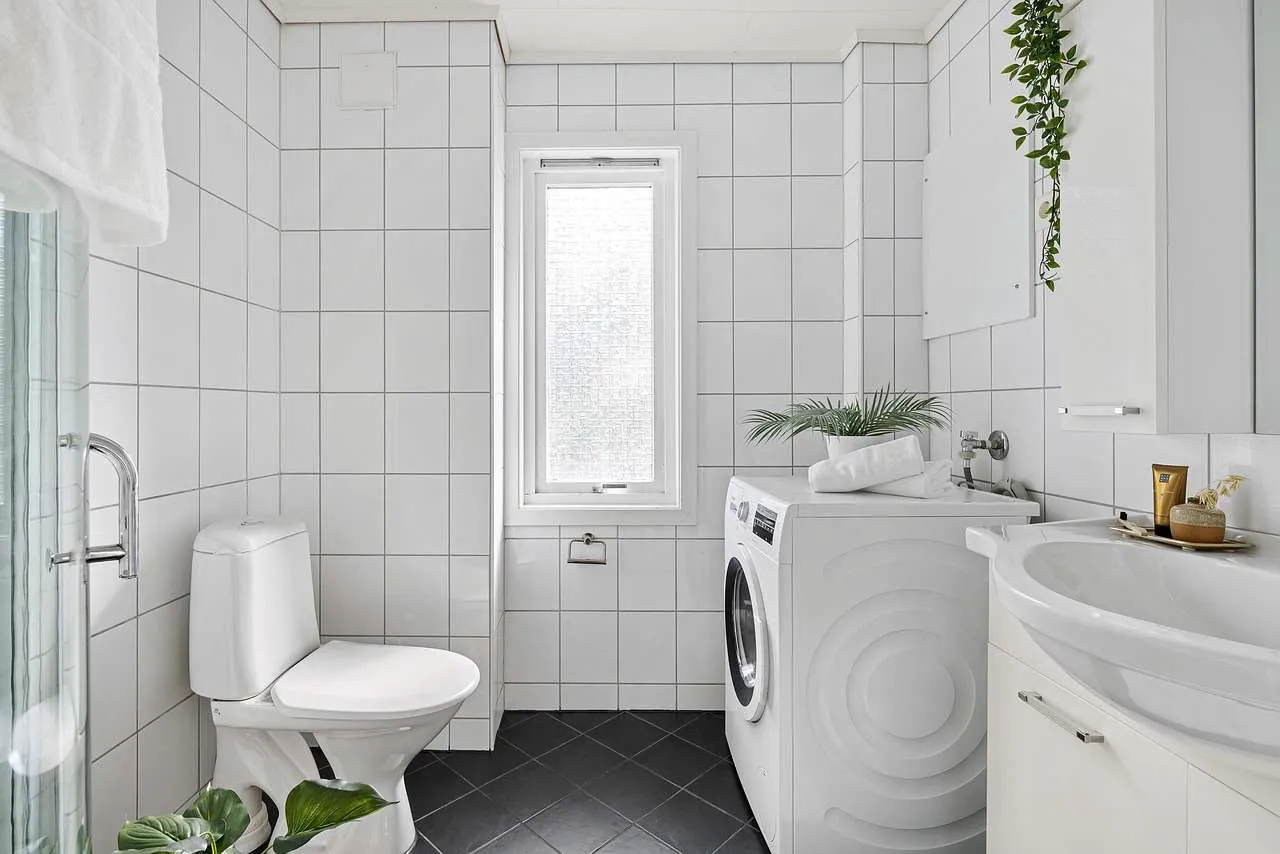
Plan storage that reduces clutter. Recessed niches, built-in shelves, and vanity drawers keep essentials organized. In small baths, maximize floor space with wall-mounted vanities and corner fittings. A logical layout—shower, toilet, sink in a fluid line—improves usability and makes cleaning easier.
Accessorizing and decor essentials
Decor items should complement the overall palette and materials. Select cohesive towels, uniform hardware finishes, and functional art that resists humidity. Green plants, weatherproof baskets, and softly scented candles can add warmth without compromising cleanliness. Replace bulky items with streamlined pieces to maintain an uncluttered atmosphere.
Textures matter as much as color. Introduce contrast through towels, rugs, and soap dishes to create depth, while keeping surfaces simple enough to prevent a busy look. When in doubt, pick a unifying element—such as the same metal finish or a consistent tile trim—and carry it across fixtures and accessories.
Comparison of popular bathroom decor styles
| Style | Key Elements | Pros | Cons | Best For |
|---|---|---|---|---|
| Modern minimalist | Clean lines, neutral palette, concealed storage | Feels spacious; easy to clean | Can feel cold if overdone | Small spaces; sleek, contemporary homes |
| Rustic traditional | Wood tones, stone, vintage fixtures | Warm, inviting character | Higher maintenance; can feel heavy | Cozy family baths; farmhouse charm |
| Spa-inspired | Soft neutrals, natural textures, rain shower | Relaxing atmosphere; timeless | Can be costly to recreate authentically | Bathrooms aimed at retreat-like experiences |
| Coastal | Light woods, whites, sea-glass accents | Bright and airy feel | Color accents can fade with sun exposure | Light-filled spaces; casual elegance |
Putting it all together
Start with a mood board that combines your favored color family, material finishes, and a few focal items such as a vanity, a statement mirror, or a shower enclosure. Build from there with a maintenance plan: choose durable surfaces, predictable cleaning routines, and a realistic decorating cadence that suits your lifestyle. If you work with a designer or contractor, they can translate your board into a cohesive plan—balancing layout, plumbing, and electrical considerations with your decor goals.
Why EEAT matters in bathroom decor content
Consumers rely on credible advice for designing moisture-prone spaces. Providing practical steps, material recommendations, and maintenance tips reflects expertise and trustworthiness. Clear guidance on selecting durable materials, along with honest pros and cons of each style, helps readers make informed decisions and reduces the risk of costly mistakes. Always source verified product information and cite reputable materials and installation practices to strengthen authority and user confidence.
Conclusion
In summary, successful bathroom decor blends color, texture, lighting, and storage into a cohesive, durable space. Start with a clear mood, pick a style that aligns with your lifestyle, and layer materials and accessories thoughtfully. A well-planned bathroom not only looks inviting but also supports daily routines with comfort and efficiency. By prioritizing quality, consistency, and practical maintenance, you create a space that remains stylish and functional for years to come. Summary: A well-executed bathroom decor plan combines purpose, materials, and cohesive styling to deliver a serene, durable, and enjoyable daily experience.